
Just me
Who we become has a great deal to do with the conditions we become inside of
Boarding school was the first time I got to just be myself. Not a managed version. Just me. What I understand now is that nothing about me changed when I got there. The conditions changed. My parents used to threaten to pull me out of boarding school if I misbehaved. I never misbehaved.
Growing up I was called Snoopy. I wanted to know how everything worked. Eventually that included me too.
Years later, a programme called Genius You gave me the conditions and a mechanism to turn that same attention inward. I learned to examine the defensive patterns of my own cognition and, through it, how to harness my mind.
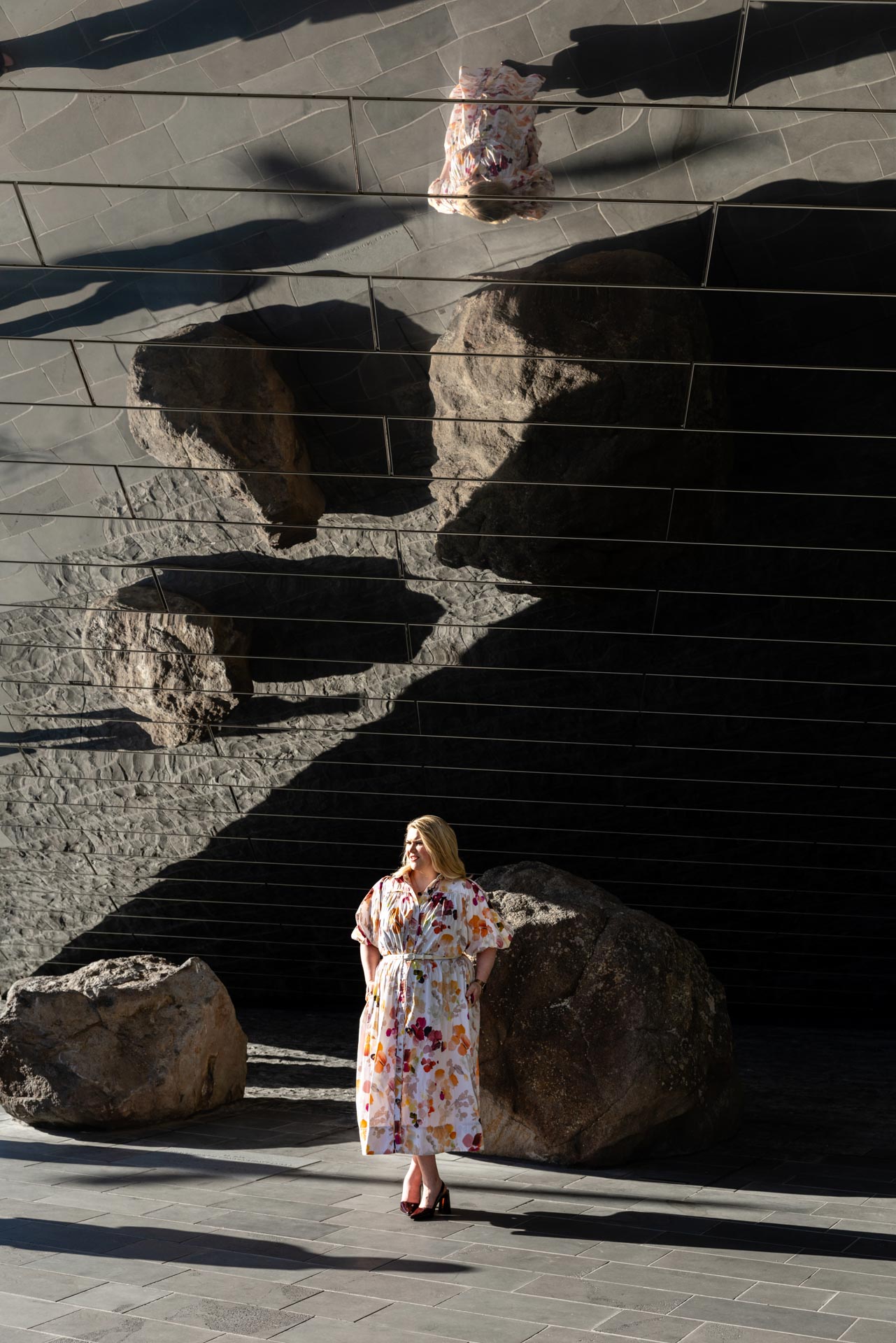
I had always seen this way.
Now I could see myself seeing.
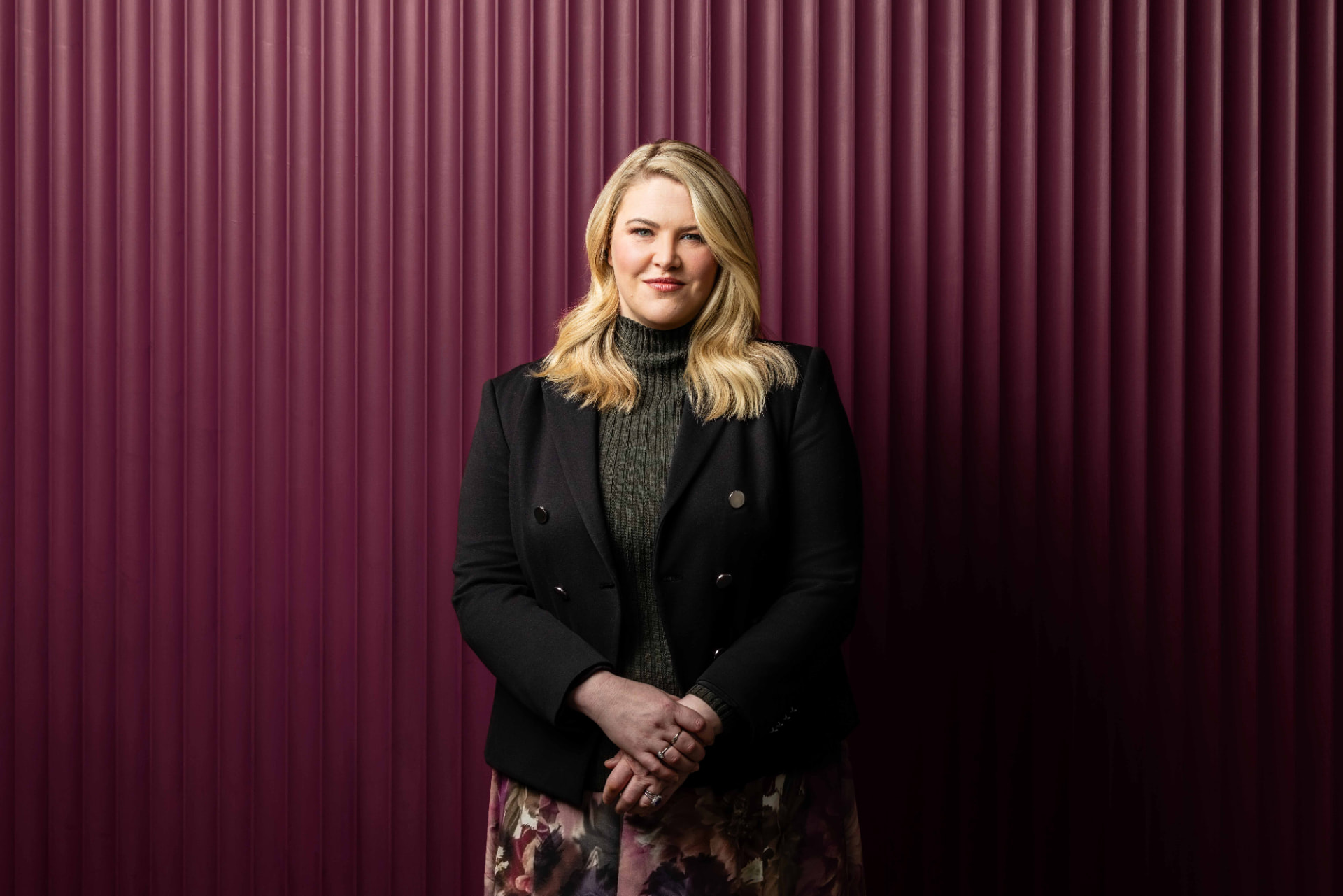
The sight
I read adaptive systems the way a structural engineer reads a building — not the facade, not the decor, but the load-bearing logic. What is holding. What is close to failing. The forces at work. Whether the parts conduct and where they don't.
I trace the effect I'm observing back to the architecture producing it, then reverse-engineer what would need to be true for the parts to work together as a coherent whole. I can read this within a person; between people in a marriage, family or leadership team; between teams and functions; and across the different parts of a business.
The mechanism of how I look doesn't change. What changes is the system in front of me.
My beliefs are built from what holds up in reality
People Work Best Naked
The less we have to protect, prove or compensate for, the more of ourselves is available to participate. How we design and operate our families, businesses and ourselves is consequential — it shapes the conditions we and others live inside. And those conditions can leave someone else with more, or less, to protect, prove or compensate for.
What does being inside of this system or life require of the people inside it?
Remove the force and watch what happens
It can be hard to see what is adapting and compensating while everything keeps working. Ease the effort, the control or the protection and watch what happens. Sometimes the only way to see what is holding something together is to remove the force and watch what happens.
If something only holds while someone keeps pushing, holding or compensating, look beneath the effect. The architecture producing it hasn't changed.
What moves? What finds its own way? What needs you to step back in? What was quietly carrying more than you knew?
Unity is an emergent property
A healthy culture isn't one where everyone agrees, gets along or stays quiet. Harmony that depends on someone leaving the room isn't evidence of unity. Unity emerges when people can remain different, tell the truth and still find a way to be together.
The test of unity isn't whether difference exists. It's whether the whole can hold it.
What would need to be true about the people in the room — and the relationships between them — for difference not to cost someone their belonging?
Play is not frivolous
Play is evidence there is enough margin left in a system for something other than maintenance or survival. When all of our capacity is consumed by holding things together, play is often one of the first things to disappear. When it returns, so does room for curiosity, creativity, experimentation, imagination and possibility.
Play isn't what we do when the important work is finished. Its presence tells us something about the health of the whole system.
Is there enough room here for anything to happen that doesn't have to?
Human experience is valid systems telemetry
What someone experiences inside a system tells us something about the relationship between them and the conditions they're inside. They may be wrong about why they feel that way, what caused it, or who is responsible — but the experience itself is still information. Dismissing it because we disagree with the explanation means throwing away part of the data.
We don't have to agree with someone's attribution to become curious about what their experience might be showing us.
What becomes visible when you separate what someone is experiencing from the story about why?
Obscurity is what the truth looks like when the cost of seeing is too high
Sometimes something is difficult to see not because the information isn't there, but because understanding it would ask too much of us at once. It might threaten our belonging, our identity, our sense of safety, or the story that has allowed us to be okay. Sometimes seeing clearly means grieving what was, what wasn't, or what could have been.
What we cannot see yet may still be protecting something that matters most to us.
What would seeing this clearly ask you to give up, grieve or change?
Curiosity didn't kill the cat. Certainty did.
Certainty closes us to new information. Once we think we know what something means, why it happened or what someone intended, we can start fitting what comes next around what we've already decided. Even contradictory evidence can become further proof if the conclusion itself is no longer open to examination.
Curiosity keeps inquiry open. Humility leaves room for what we know to be incomplete, for our attribution to be wrong, or for something we haven't seen yet to change what becomes possible. We don't need to change our minds every time something new appears. But if reality keeps showing us something different, we need to be willing to look again.
What would you need to know, see or protect for it to become okay to be open to another possibility?
Equality is structural legitimacy, not sameness
Everyone deserves equal dignity. That doesn't mean we all carry the same responsibility, hold the same authority, make the same contribution or live with the same consequences. Difference isn't inherently unfair. What matters is whether there is a legitimate reason for it.
Equality doesn't require us to make the parts the same. It asks us to be able to account for why they are different.
If two people are treated differently, what is different about the responsibility they carry, the authority they hold, the contribution being asked of them or the consequences they bear that makes the difference legitimate?
And if two people are treated the same while carrying those things differently, who carries the difference?
Everything has an architecture. Architecture can be redesigned.
Conditions don't appear from nowhere. Something produces them. The systems we create and how we operate them shape the people inside them. The people inside them continually reshape the systems themselves. Once we can see the architecture producing the conditions we're living inside of, we can decide what to continue — and what to redesign.
We may not have the authority to redesign the whole thing. But we can find the part that is legitimately ours to change.
What might be producing the conditions you're experiencing — and where is your redesignable edge? The system itself, or your relationship to it?
I didn't go looking for my purpose. I found it at the bottom of excavating myself.
For years I looked outward, questioning and wondering why I was born with a brain like mine — seeing what I could see — if I couldn't explain it well enough for other people to see it too.
All I knew was that everything was connected. I could see how changing the arrangement of things changed what they produced, and I did it instinctively — with results that repeatedly told me that what I saw and how I intervened was working. In businesses, teams and systems. Everywhere.
But it was only when I turned inward and began excavating the defensive patterns of my own cognition that I learned how to watch myself seeing. And once I could watch it, I could finally understand what I had been looking at all along: the relationships between the parts.
Once I could see how the sight worked, I could use it deliberately — on the things that mattered most to me.
This is why I start with self. I use the sight first in how I lead myself — and what that means for the relationships between the parts of myself. Then in my relationships, my family, the businesses I build and the systems I shape.
Beyond my own ecosystem, the sight gets put to use alongside people whose decisions rarely end with them.
The greater the reach, the more the questions underneath matter.
What is mine to carry, change or design — and what isn't?
I start with myself. My decisions, behaviour, the consequences of my choices, what I create and what I allow to continue.
In relationship I try to distinguish what is mine, what belongs to the other person and what can only ever belong to us.
When I lead, my responsibility changes again. If I have the authority to shape the conditions other people are operating inside of, then I take responsibility for designing them with care.
I don't believe in taking responsibility for everything. I believe in accurate attribution.
Can I carry what is mine?
I expect myself to carry the consequences of my own decisions without quietly transferring them to anyone else.
My marriage has taught me that integrity doesn't aggregate. I can bring mine; Chris has to bring his. Neither of us can perform both parts of a duet.
I build teams on the same principle. If the team only works because I am compensating for everyone around me, I haven't built a strong team. I've built dependency.
And eventually I want the orchestra to keep playing when one of us leaves the stage. Because integrity isn't only held within the parts. It has to exist between them.
Strong parts don't make a coherent whole. What passes between them matters too.
Ownership emerges when responsibility and integrity conduct together.
Know what is yours. Be able to carry it. Know when it is no longer yours to hold.
Just me
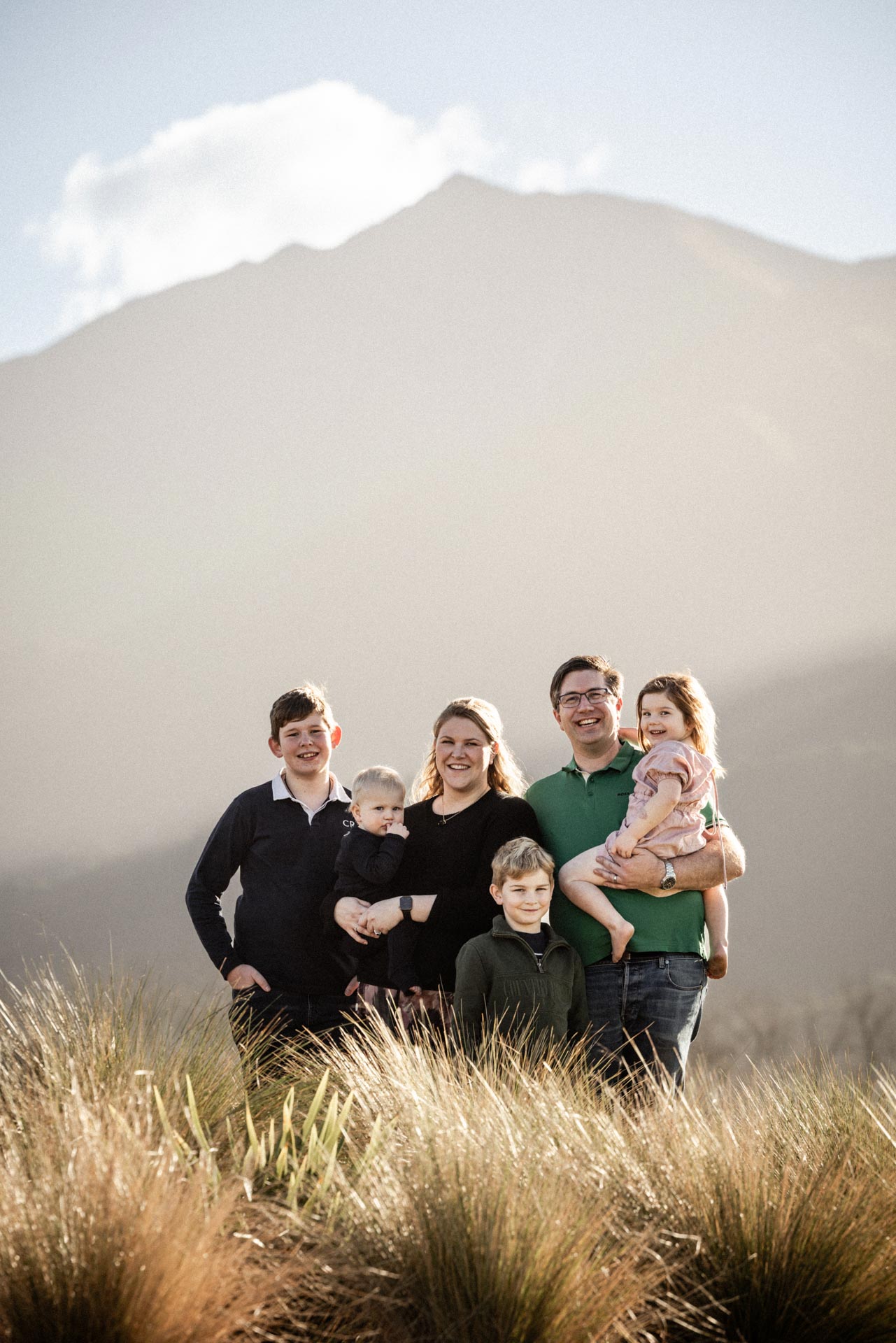
I'm not a different person depending on which part of my life I'm in. Not a founder here, a mum to four kids there, a systems redesigner somewhere in between. I'm not rotating between parts of my life. I'm just me.
At the kitchen bench at 5am, before anyone else is awake. Noticing the bugs on the flowers outside the window and thinking about how everything is connected. Going out to dinner and watching the chefs, breaking the dish into its components — rebuilding it at home. Sitting in a strategy session, hearing my youngest cry, texting Chris to give him Pamol, and going straight back to the conversation.
I'm always both in the thing and the observer of the thing at once.
All from a life at the bottom of the world, in Christchurch, New Zealand. A life that is real and beautiful and sometimes chaotic, and always, always teaching me something.
Right now, I'm teaching myself piano. I repeatedly want to give up. That's the point.
No one becomes themselves alone. Neither did I.
Everything here is mine, but none of it was made by me alone. Some of it began long before me.
I can trace the parts of how I think, see, work and live to people, situations, relationships and experiences that have shaped me along the way — and some further back, to people I never knew.
Along the way, there were people who challenged me, loved me, worked alongside me — and especially those who held me when I couldn't hold myself.
Some gave me things worth keeping. Some gave me things I eventually needed to examine, understand and learn to put down. And some helped me see the shape of things in myself I hadn't yet learned to recognise and claim as my own.
So in the interest of accurate attribution:
My Dad
Taught me that reinvention is always possible. And passed down a relentless work ethic that I eventually had to learn how to pace.
My Mum
Taught me that a powerful mind is not enough. We also have to learn how to hold it.
My Brother
For always being such a good sport about coming second. And for never letting an actual birthday get in the way of celebrating each other's half birthday.
The family I inherited
Gave me the most wonderful husband and father to my children. I am genuinely grateful to them for raising such a phenomenal man, and for the opportunity to learn to play inside a business that became one of my greatest classrooms.
My team
They take things that begin inside my head and help give them form in the world. They question, sharpen, translate, build, test and occasionally tell me no. What you see here has their fingerprints all over it.
My Children
My greatest teachers and joy. I get a front-row seat to four little people becoming increasingly themselves.
There are others
Some whose contribution is so integrated I can no longer find the seam. Some who taught me through what they gave me, and others through what I had to learn not to carry forward. And to the people who don't make the cut — you probably contributed too.
Chris
Always my rock. He has loved me, believed in me and seen the beauty in me through every version of who I am. Much of the life from which I get to do this work is a life we built together.
Bring me one thing
A problem that keeps recurring. A decision you're trying to make. Something you're building. A change you want to make that won't hold.
Allow an hour
We'll usually need about 30 minutes. Bring something real and you'll experience how I diagnose and operate firsthand, in real time. From there, we can talk about what I see and the best way forward.
If there's a larger piece of work here and we're a fit for each other, we'll talk about what working together could look like.