
Start with self
There is no single path to becoming yourself. If there were, someone would have found it by now.
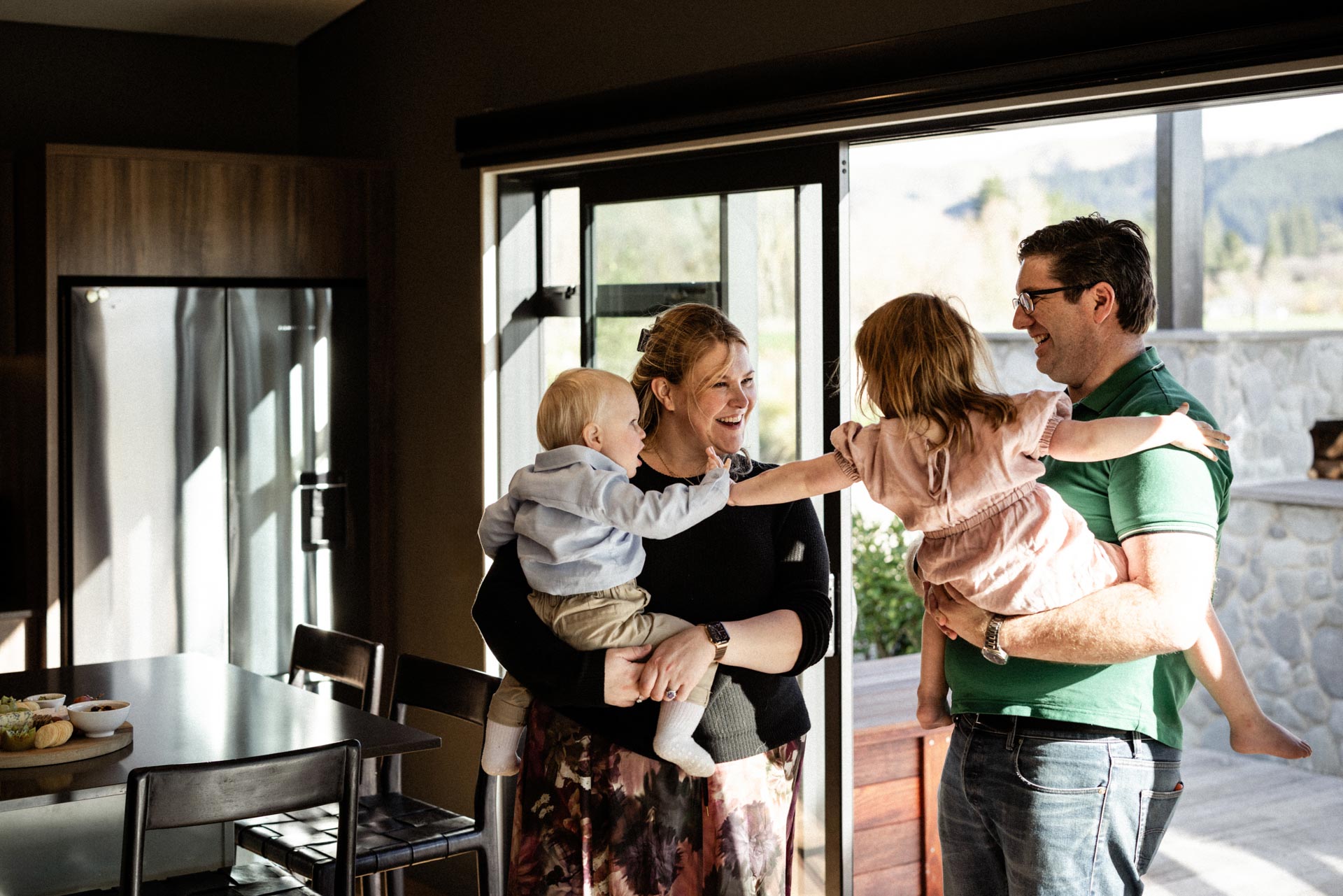
On reflection, participation, and how continuity emerges between adaptive human beings.
By Camille Kathryn Hughes.
Updated 28 September 2026 | 2 minute read
Every relationship becomes a mirror. Every conversation reveals something. Every family, business, community, and place asks something different of us. They expose our strengths, our assumptions, our blind spots, and our capacity to carry responsibility alongside others.
Self-awareness is developed in reflection.
Where we stand changes what we can see. What we can see changes where we stand.
But reflection can only show us what is visible from where we currently stand. Participation exposes us to information we cannot generate ourselves and continuity depends on our capacity to receive that information, update our perception and participate again.
But participation alone cannot bridge the gap either. We need to remain curious enough to receive what our participation shows us, humble enough to let us challenge what we think we know, and responsible enough to let what we learn change how we participate next.
Perceive. Participate. Receive. Update. Participate again.
Not a circle that returns us to where we started, but a spiral in which each encounter has the potential to change the position from which we enter the next. From which we take a stand.
The challenge is that participation is messy.
People misunderstand one another. Families inherit patterns they never chose. Businesses drift from the reasons they were created. Authority becomes confused with control. Responsibility becomes blurred. Some people carry too much. Others carry too little. Over time, the system loses coherence.
The aim isn't to get it right. It's to remain capable of updating.
Meanwhile none of us are updating alone. Our participation changes the conditions other people are participating within, just as theirs changes ours too. This is where continuity is either created or lost.
Continuity is not the preservation of state. It is the capacity to keep updating without losing coherence.
A business can survive while its people burn out. A family can remain together while trust quietly disappears. An institution can continue to exist long after it has forgotten its purpose, or the people it was built to serve. None of these outcomes require malicious intent. Well-intended people can participate in systems that reliably produce effects none of them intended or wanted.
That is endurance without coherence.
Continuity emerges when people participate in ways that reflect what is actually theirs to carry. When responsibility, authority, consequence, and load are held where they belong. When individuals grow without becoming isolated, and systems evolve without losing what matters.
There is no universal formula for achieving that. Only the responsibility of each part—including the system itself—to carry what belongs to it, or develop the integrity to do so.
I carry what is mine.
You carry what is yours.
And the systems we create must be designed or redesigned to carry what belongs to them.
We are not to blame for the state of the systems we inherit or operate today. But we are responsible for what we choose to continue, particularly when our positional power grants us the agency to redesign how our systems operate.
Every family has its own history. Every business has its own constraints. Every community has its own culture. Every generation inherits a different landscape. The work is never to force every system into the same shape. It is to understand the system well enough that it can continue to grow, adapt, and continue without losing its integrity.
What continues from all of us is shaped through—and between—us, as we continually shape and reshape ourselves and one another.
There is no single path to becoming yourself. If there were, someone would have found it by now.
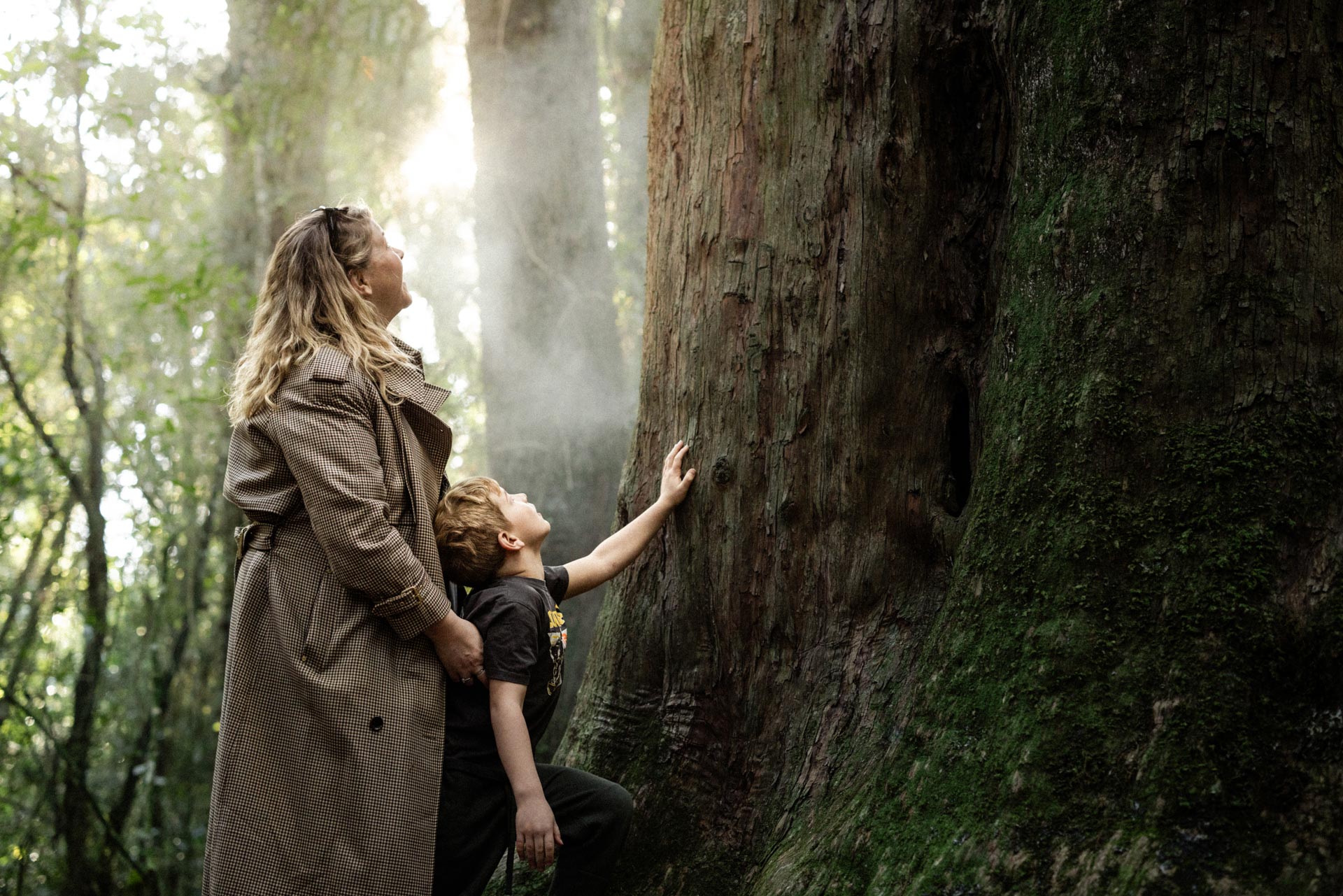
Everything is changing. The question is not whether a system will change. The question is whether it can remain coherent as it does.