
Through and between us
No one becomes themselves alone. We discover who we are in relationship.
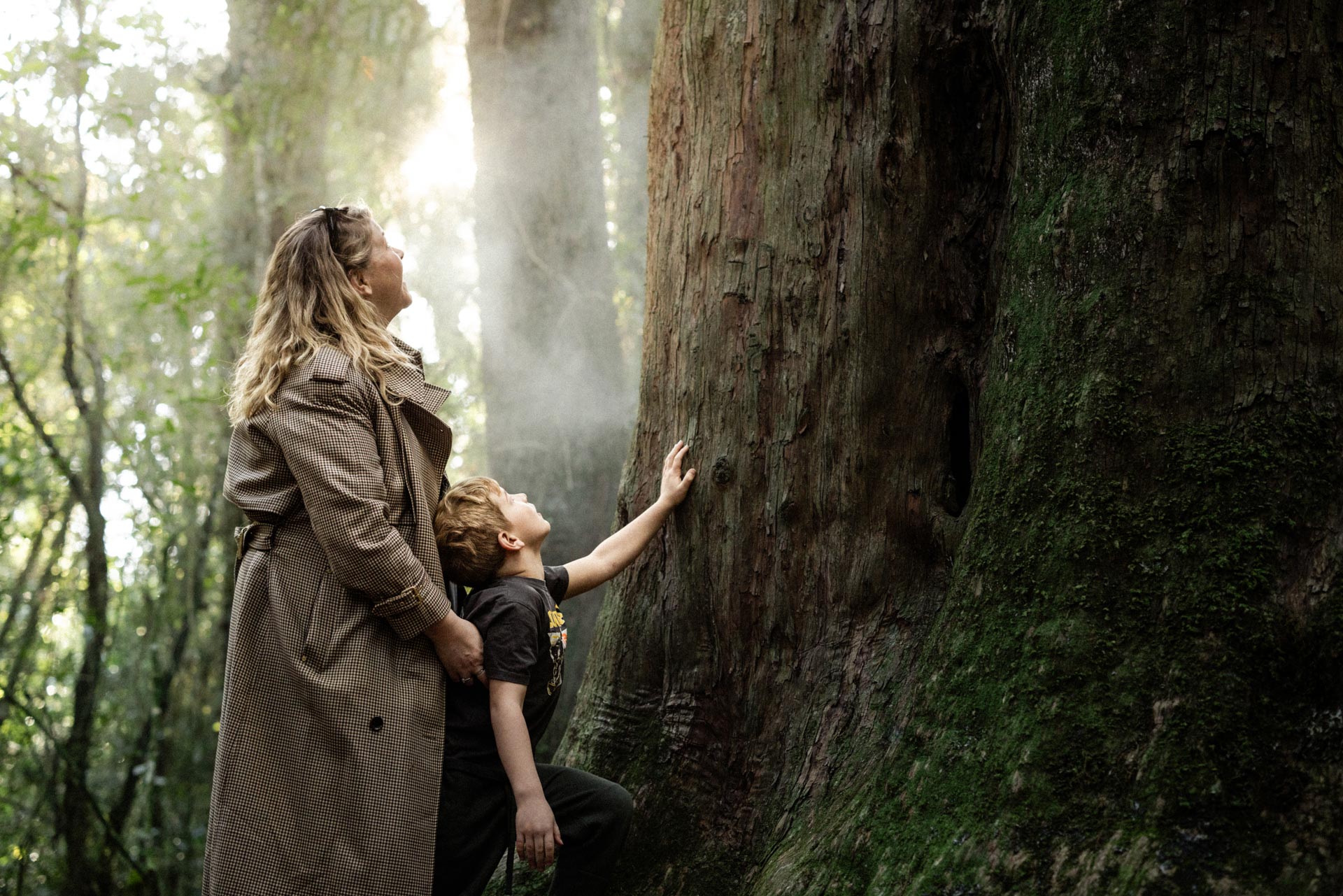
By Camille Kathryn Hughes.
Updated 4 September 2026 | 2 minute read
People grow. Families evolve. Businesses transition. Land is stewarded across generations. Communities rise, adapt, and sometimes disappear. Change is inevitable.
Many things endure through force. Through habit. Through fear. Through the determination of one person carrying what should have been shared by many.
They survive.
But survival is not the same as continuity.
To endure coherently is to remain true to what matters while allowing everything else to evolve. It is the ability to adapt without losing identity. To transfer responsibility without losing integrity. To welcome new generations without abandoning the purpose that brought them together in the first place.
No person lasts forever. No leader should become the permanent centre of a system. Every family, business, institution, and place must eventually answer the same question: What will remain when I am no longer here?
The systems that endure are not the ones that resist change. They are the ones designed to carry it through time.
They distribute wisdom instead of concentrating it. They develop people instead of depending on them. They make responsibility visible, authority legitimate, and participation possible.
It is sustained. Generation after generation. Decision after decision. Relationship after relationship.
Because the greatest measure of any human system is not what it achieves today.
It is what it enables others to carry—without being consumed by it—long after we are gone.
No one becomes themselves alone. We discover who we are in relationship.

A bridge doesn't get to choose whether gravity applies to it. And understanding gravity doesn't tell you what a specific bridge should look like. But it does inform how you design it.